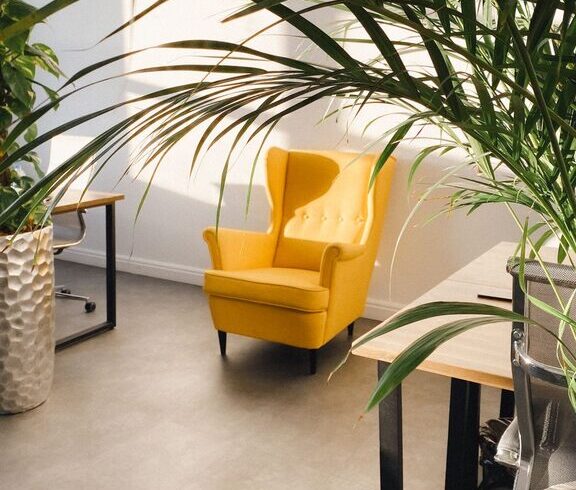

Creating a home office that is both cozy and productive can greatly enhance your work-from-home experience. Whether you are a remote employee, freelancer, or someone who needs a dedicated space to focus, designing an environment that boosts creativity and minimizes distractions is key. This guide offers practical tips to help you create a home office that feels inviting and supports your productivity.
1. Choose the Right Location
Your home office should be in a space where you can focus and feel comfortable. Ideally, pick a quiet corner or room with minimal foot traffic. If possible, select a spot near a window to take advantage of natural light, which can improve your mood and energy levels. Avoid setting up your workspace in places associated with relaxation, like your bedroom or living room couch, as this may blur the lines between work and rest.
2. Invest in Comfortable and Functional Furniture
Spending long hours at your desk requires a chair and desk that support good posture and comfort. Look for an ergonomic chair with adjustable height and lumbar support. Your desk should have enough surface area for your computer, notebook, and any other tools you need regularly. Standing desks or desks with adjustable heights are great options if you want to alternate between sitting and standing throughout the day.
3. Organize Your Workspace for Efficiency
A clutter-free desk helps you stay focused and reduces stress. Use organizers, shelves, or drawers to keep office supplies and documents neatly stored but within reach. Consider using cable management solutions to prevent tangled cords and maintain a tidy look. A clean, well-organized workspace signals your brain that it’s time to work and helps maintain productivity.
4. Personalize Your Space with Thoughtful Decor
Adding personal touches can make your home office feel more inviting and inspiring. Choose colors and decorations that promote calmness and creativity. Soft colors like light blues, greens, or neutral tones often work well. Pictures, plants, or artwork can also create a pleasant atmosphere. Just remember not to overcrowd your space—keep the decor balanced so it doesn’t become a distraction.
5. Optimize Lighting for Comfort and Focus
Good lighting is essential to reduce eye strain and maintain alertness. Natural light is ideal, but if that’s limited, invest in quality artificial lighting. A desk lamp with adjustable brightness and color temperature lets you tailor your lighting according to the time of day and task. Avoid harsh overhead lighting and position your screen to minimize glare.
6. Manage Noise and Distractions
Noise can disrupt concentration, so think about ways to reduce it. If your home is noisy, consider noise-cancelling headphones or white noise machines to create a more peaceful environment. Close doors or use room dividers to separate your workspace from household noise. Clearly communicating your work hours to family members or roommates can also help minimize interruptions.
7. Incorporate Technology That Supports Your Workflow
A reliable computer, fast internet connection, and useful accessories like external monitors, keyboards, and mice can make your home office more efficient. Use tools like document scanners or wireless charging stations to reduce clutter. Backup solutions and security software are also important to protect your work.
8. Create a Routine and Set Boundaries
Your physical space is important, but establishing routines and boundaries completes the picture for productivity. Set regular work hours and stick to them. Use your workspace only for work-related tasks to help your brain associate the area with focus. Taking regular breaks ensures you maintain energy and avoid burnout.
9. Add Elements That Boost Well-Being
Incorporate items that improve your comfort and wellness. A small plant or two can improve air quality and add a touch of nature. Keep a water bottle at your desk to stay hydrated. Consider a desk fan or humidifier if your environment feels stuffy. Adjust your workspace temperature to stay comfortable throughout the day.
10. Keep Assessing and Improving Your Space
Your needs and preferences might change over time, so it’s a good idea to regularly evaluate your home office setup. Notice what works well and what could be improved, then make small changes accordingly. Flexibility helps you maintain both productivity and comfort in the long term.
—
Creating a cozy and productive home office does not need to be complicated or expensive. By focusing on location, furniture, organization, lighting, and personal touches, you can build a space that supports your best work every day. With consistency and attention to your needs, your home office can become a place you look forward to spending time in.