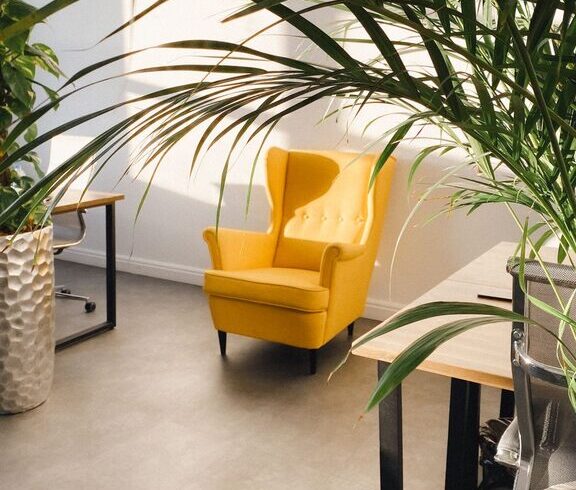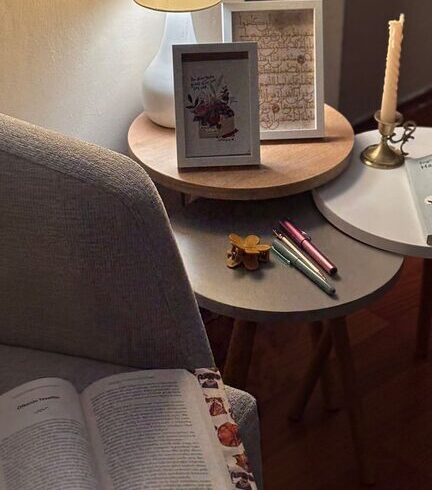
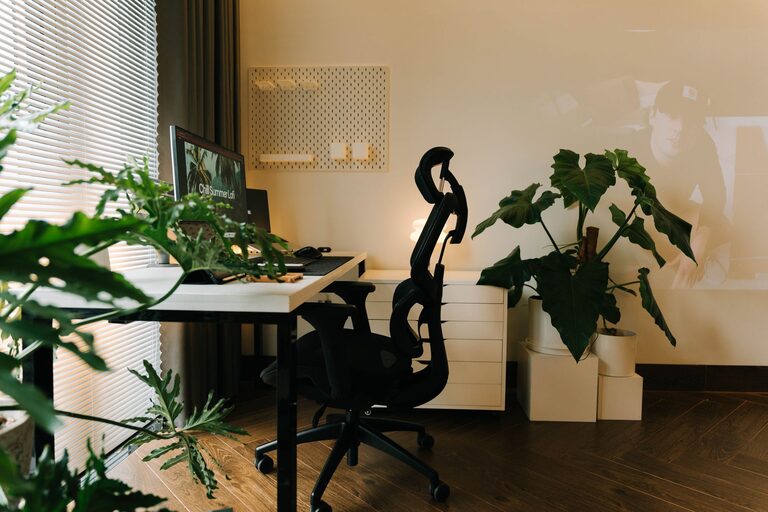
Working from home has become a new normal for many people, and having a comfortable, relaxing home office environment can make a big difference in both your productivity and well-being. A space that feels calm and inviting can help reduce stress, boost focus, and make your workday more enjoyable. Whether you are setting up a new workspace or looking to improve your current one, these tips will guide you in creating a home office that supports relaxation and efficiency.
1. Choose the Right Location
Selecting the perfect spot for your home office is the first step in creating a relaxing environment. Ideally, choose a space with:
– Plenty of natural light to help lift your mood
– Enough room for your desk, chair, and necessary equipment
– Minimal distractions, away from loud household activities
If space is limited, consider converting a corner in a quiet room or using a room divider to create separation from the rest of the living area.
2. Invest in Comfortable Furniture
Comfort is key for long hours at your desk. Here’s what to focus on:
– Ergonomic chair: Look for adjustable height, good lumbar support, and cushioned seating.
– Desk: Choose a size that fits your needs without being cluttered. Adjustable desks that allow standing and sitting can be beneficial.
– Footrest or cushions: These small additions can improve posture and comfort.
Comfortable furniture not only supports your body but also encourages a relaxed mindset, reducing stress as you work.
3. Optimize Lighting
Lighting affects both your mood and how well you can work. To create a calming atmosphere:
– Use natural light as much as possible by positioning your desk near a window.
– Supplement with soft, warm artificial light for cloudy days or late hours.
– Avoid harsh overhead lights that cause eye strain; instead, use desk lamps with adjustable brightness.
Adding dimmable lamps can help you control the lighting according to your needs and preferences.
4. Keep the Space Organized and Clutter-Free
A cluttered space can distract and stress you out. Here are tips to keep things tidy:
– Use storage solutions like shelves, drawers, and organizers.
– Keep only essentials on your desk.
– Regularly declutter to remove unnecessary items.
An organized workspace encourages calmness and makes it easier to focus on tasks.
5. Incorporate Soothing Colors and Decor
Colors have a psychological impact on how we feel. For a relaxing home office:
– Choose soft, neutral, or pastel colors such as light blues, greens, or grays.
– Avoid overly bright or startling colors that may increase anxiety.
– Add plants to bring nature indoors; they improve air quality and add a refreshing touch.
– Personalize your space with calming artwork, inspirational quotes, or a vision board.
Balancing aesthetics with simplicity helps create a space that feels welcoming yet professional.
6. Manage Noise Levels
Noise can be disruptive and stressful, especially if you need concentration or take calls regularly. Consider the following:
– Use noise-canceling headphones or white noise machines to block out distractions.
– Consider adding rugs, curtains, or soft furnishings that absorb sound.
– If possible, choose a quiet room or create sound barriers using bookshelves or plants.
Creating a quiet workspace supports better focus and reduces stress.
7. Control Air Quality and Temperature
Fresh air and a comfortable temperature are important for health and comfort.
– Open windows regularly to circulate fresh air.
– Use air purifiers if you live in a polluted area or suffer from allergies.
– Adjust the thermostat to a comfortable temperature; avoid rooms that are too hot or too cold.
Good air quality and temperature can help keep your mind alert and body comfortable.
8. Establish Relaxing Break Areas
Taking breaks is essential for productivity and relaxation.
– Set up a cozy corner with a comfortable chair or cushion where you can relax.
– Use this space for short stretches, meditation, or reading.
– Avoid scrolling on screens during breaks to give your eyes rest.
Having a designated break area helps mentally separate work from relaxation.
9. Use Technology Wisely
Technology is both a tool and a potential source of stress.
– Keep your tech organized with cable management tools to avoid messy cords.
– Schedule software updates and backups to avoid interruptions.
– Use productivity apps or timers to manage tasks and breaks effectively.
– Keep devices out of sight when not in use to minimize distractions.
A well-managed tech setup creates a smoother workflow and reduces frustration.
10. Set Boundaries and Routine
Your environment is important, but so is how you use it.
– Set clear work hours to create structure.
– Communicate your schedule to family or housemates.
– Start and end your day with a routine that helps you transition in and out of work mode.
Boundaries and routines provide mental cues that help you stay focused and relaxed.
—
Final Thoughts
Creating a relaxing home office environment doesn’t require a huge budget or a lot of time. Small changes—like adding plants, improving lighting, or decluttering your desk—can make a big difference. By focusing on comfort, organization, and ambiance, you can design a workspace that helps you stay calm, motivated, and productive throughout your workday.
Remember, your home office should work for you. Feel free to experiment with different setups until you find what truly makes your space a relaxing place to work.