
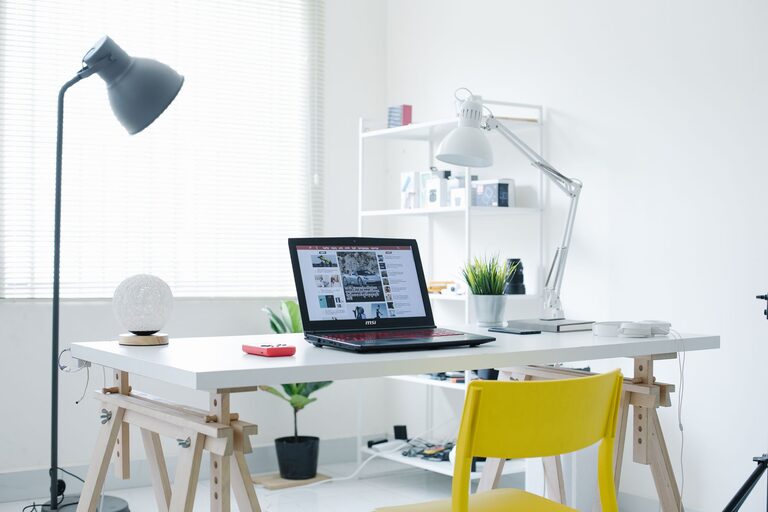
Creating a productive home office space is essential for anyone working remotely or spending significant time on tasks at home. A well-designed workspace helps improve focus, reduce distractions, and maintain a healthy work-life balance. In this post, we’ll explore practical tips to help you set up a home office that supports productivity and comfort.
Choose the Right Location
Selecting the right spot for your home office is the first step toward creating a productive environment. Ideally, pick a quiet area with minimal foot traffic and noise.
– Natural Light: Position your desk near a window to benefit from natural light, which can boost mood and energy.
– Separate Space: If possible, use a dedicated room or a corner away from common living areas to create a clear boundary between work and leisure.
– Comfort and Privacy: Ensure the area offers enough privacy and comfort to focus without interruptions.
Invest in Ergonomic Furniture
Comfort plays a huge role in productivity. Poor posture or uncomfortable furniture can lead to fatigue and physical discomfort.
– Ergonomic Chair: Choose a chair that supports your back and encourages good posture.
– Adjustable Desk: Consider desks with adjustable height options so you can alternate between sitting and standing.
– Proper Desk Size: Make sure your desk has enough space for your computer, paperwork, and other essentials without feeling cluttered.
Organize Your Workspace Efficiently
An organized workspace helps reduce distractions and keeps you focused on your tasks.
– Declutter: Remove unnecessary items from your desk. Only keep what you use daily.
– Storage Solutions: Use shelves, drawers, or organizers to store supplies neatly.
– Cable Management: Keep cords and cables tidy to prevent tangles and create a clean look.
Optimize Lighting
Proper lighting reduces eye strain and keeps you alert throughout the day.
– Task Lighting: Use desk lamps to supplement overhead light, especially for detailed work.
– Adjustable Brightness: Opt for lamps with adjustable brightness or color temperature to match different times of day.
– Avoid Glare: Position screens and lights to minimize glare on your monitor.
Minimize Distractions
Distractions can break your focus and reduce output. Creating a distraction-free zone is important.
– Noise Control: Use noise-canceling headphones or play ambient sounds to drown out household noise.
– Limit Interruptions: Communicate your working hours with family or roommates to minimize interruptions.
– Tech Boundaries: Turn off non-work-related notifications on your devices during work hours.
Personalize Your Space
Personal touches can make your home office enjoyable and motivating.
– Decor: Add plants, artwork, or inspirational quotes that uplift your mood.
– Color Choice: Use colors that boost productivity; for example, blue is known for calm and focus, while green is soothing.
– Comfort Items: Consider cushions, footrests, or blankets to enhance comfort.
Establish a Daily Routine
Creating structure is vital when working from home.
– Set Work Hours: Define when your workday starts and ends to help maintain balance.
– Breaks: Schedule regular short breaks to stretch and refresh your mind.
– Task Lists: Use planners or apps to keep track of priorities and deadlines.
Utilize Technology Smartly
Technology tools can enhance productivity when used thoughtfully.
– High-Speed Internet: Ensure your connection supports video calls and file sharing without interruptions.
– Productivity Apps: Use time-tracking, project management, or note-taking apps to stay organized.
– Backup System: Regularly back up your work to avoid data loss.
Maintain Cleanliness
A clean workspace fosters clarity and reduces stress.
– Daily Tidying: Spend a few minutes each day to tidy up your desk.
– Regular Deep Cleaning: Clean your office space weekly to keep dust and allergens away.
– Sanitize Equipment: Wipe down your keyboard, mouse, and surfaces regularly.
Final Thoughts
Designing a productive home office is a blend of comfort, organization, and mindful habits. By thoughtfully selecting your workspace location, investing in ergonomic furniture, managing distractions, and establishing routines, you can create an environment that supports focus and well-being. With these tips, working from home can become a more efficient and enjoyable experience.
